
Tag: #architecture
-
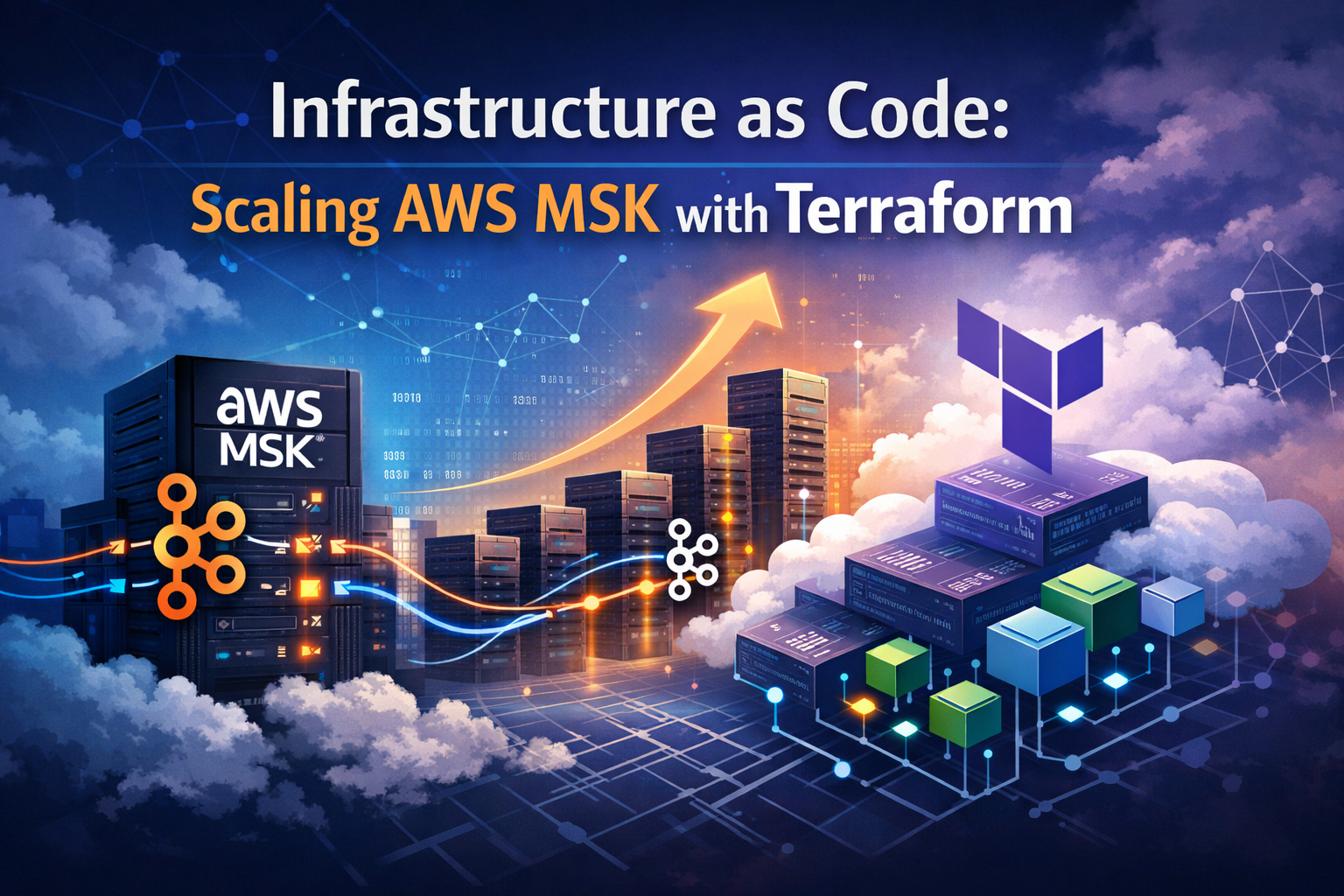
Infrastructure as Code: Scaling AWS MSK with Terraform
Introduction In the world of event-driven architecture, Apache Kafka is the undisputed heavyweight champion. But as any Tech Lead will tell you, the real challenge isn’t just using Kafka—it’s managing it. If you are still manually configuring clusters in the AWS Console (“Click-ops”), you are one accidental delete button away from a production disaster. Today,…
-
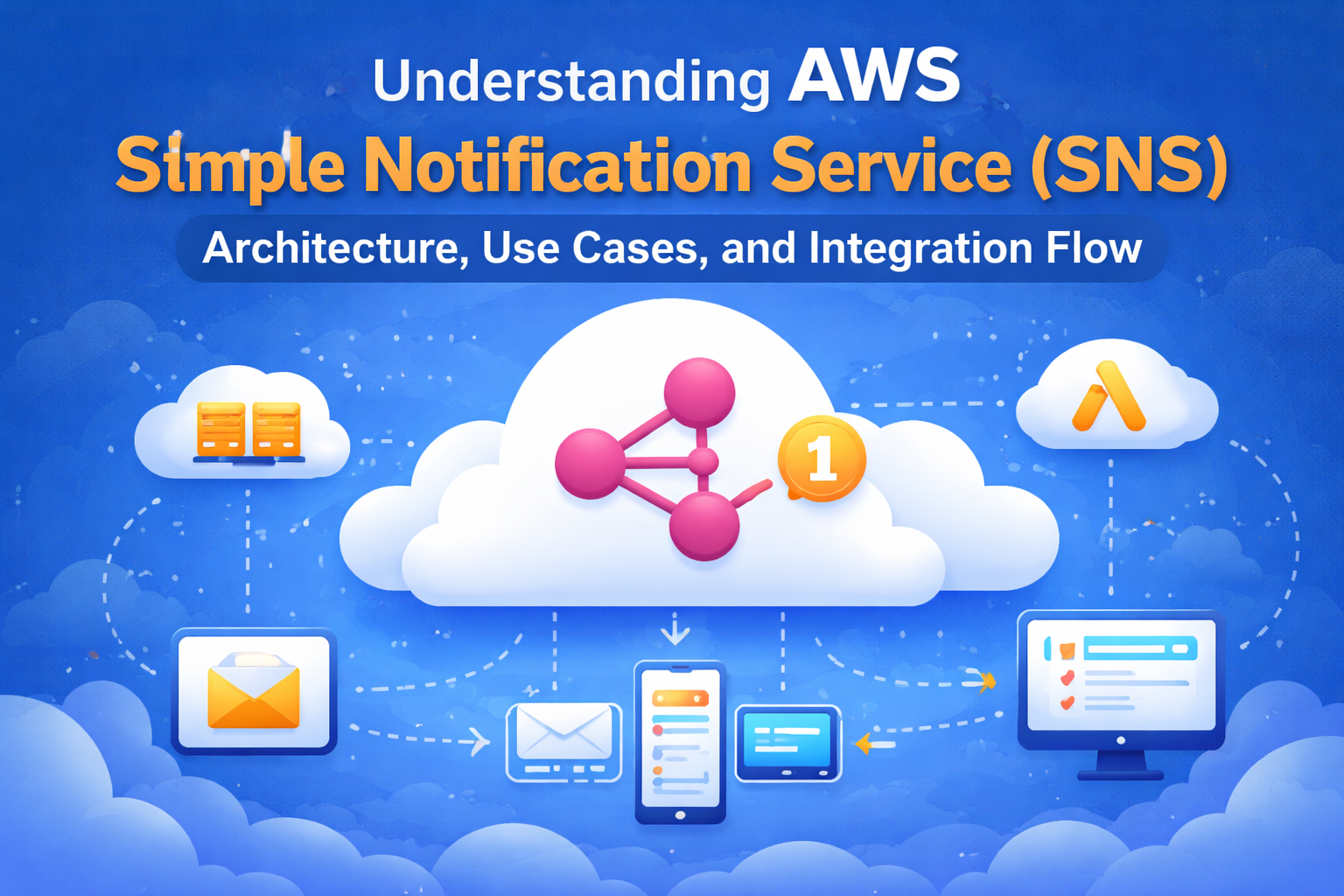
AWS SNS Explained: Architecture, Real-World Use Cases, and Integration Guide
Introduction AWS Simple Notification Service (SNS) is a fully managed messaging service that enables decoupled and distributed communication between microservices, applications, and end-users. It’s primarily designed around the publish/subscribe (pub/sub) pattern, where a publisher sends messages to a topic, and multiple subscribers receive those messages simultaneously. Developers often use SNS to send alerts, push notifications,…
-

Micro-Frontends: Scaling Frontend Development with Modular Architecture
Introduction As web applications grow, monolithic frontends—where all features live in a single codebase— quickly become difficult to manage. Large applications like dashboards, search systems, user management, and analytics often suffer from: Slow build and deployment cycles Conflicts between multiple teams working on the same codebase Difficulty introducing new frameworks or technologies Risk of a…
-
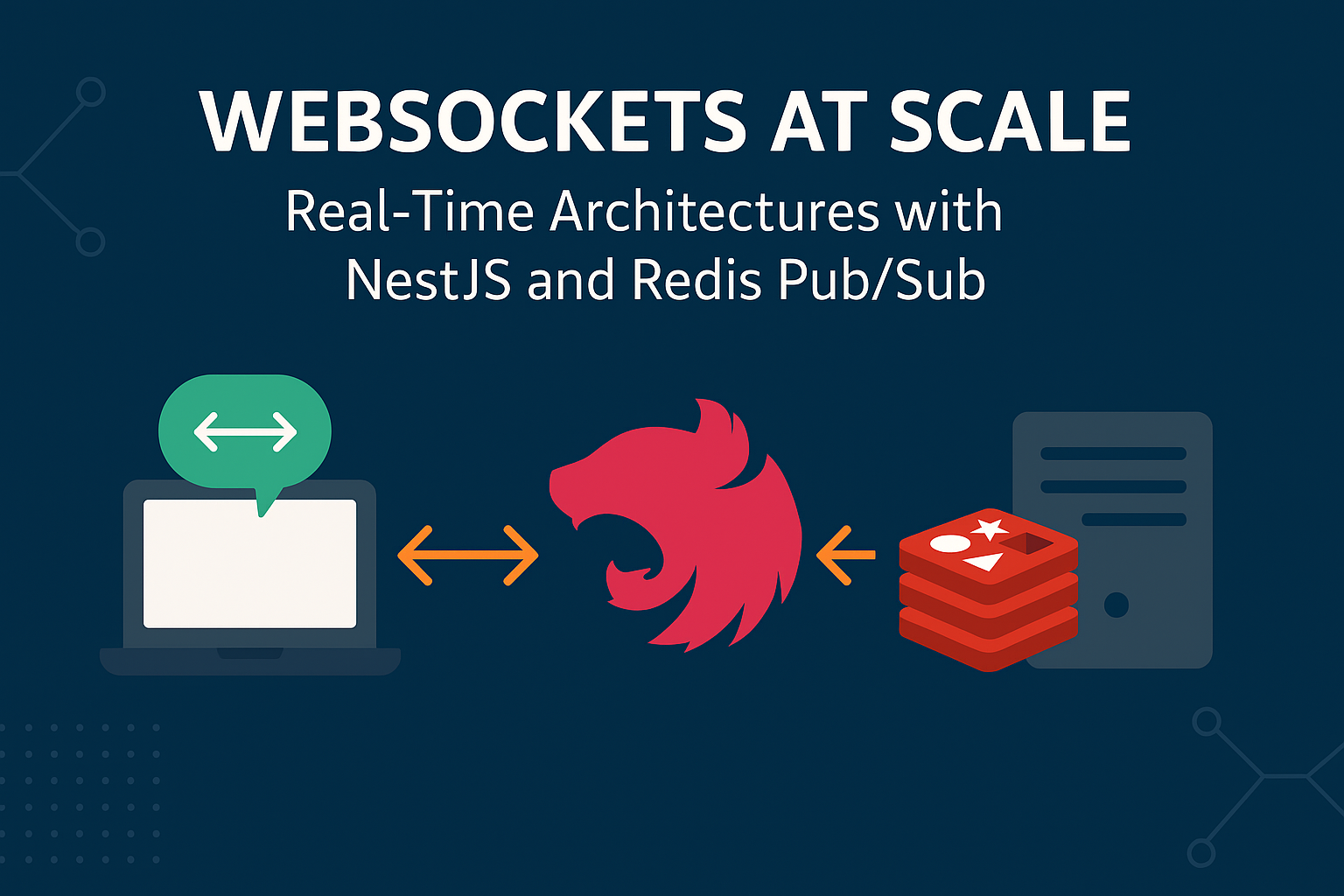
WebSockets at Scale: Real-Time Architectures with NestJS and Redis Pub/Sub
Introduction In today’s fast-moving digital world, real-time interactivity is no longer optional—it’s expected. Examples include live chat, financial dashboards, collaborative tools, and multiplayer games. Users demand instant updates and seamless communication. WebSockets enable this by maintaining a persistent, full-duplex connection between client and server, enabling low-latency communication. However, building real-time features is just the start.…
-
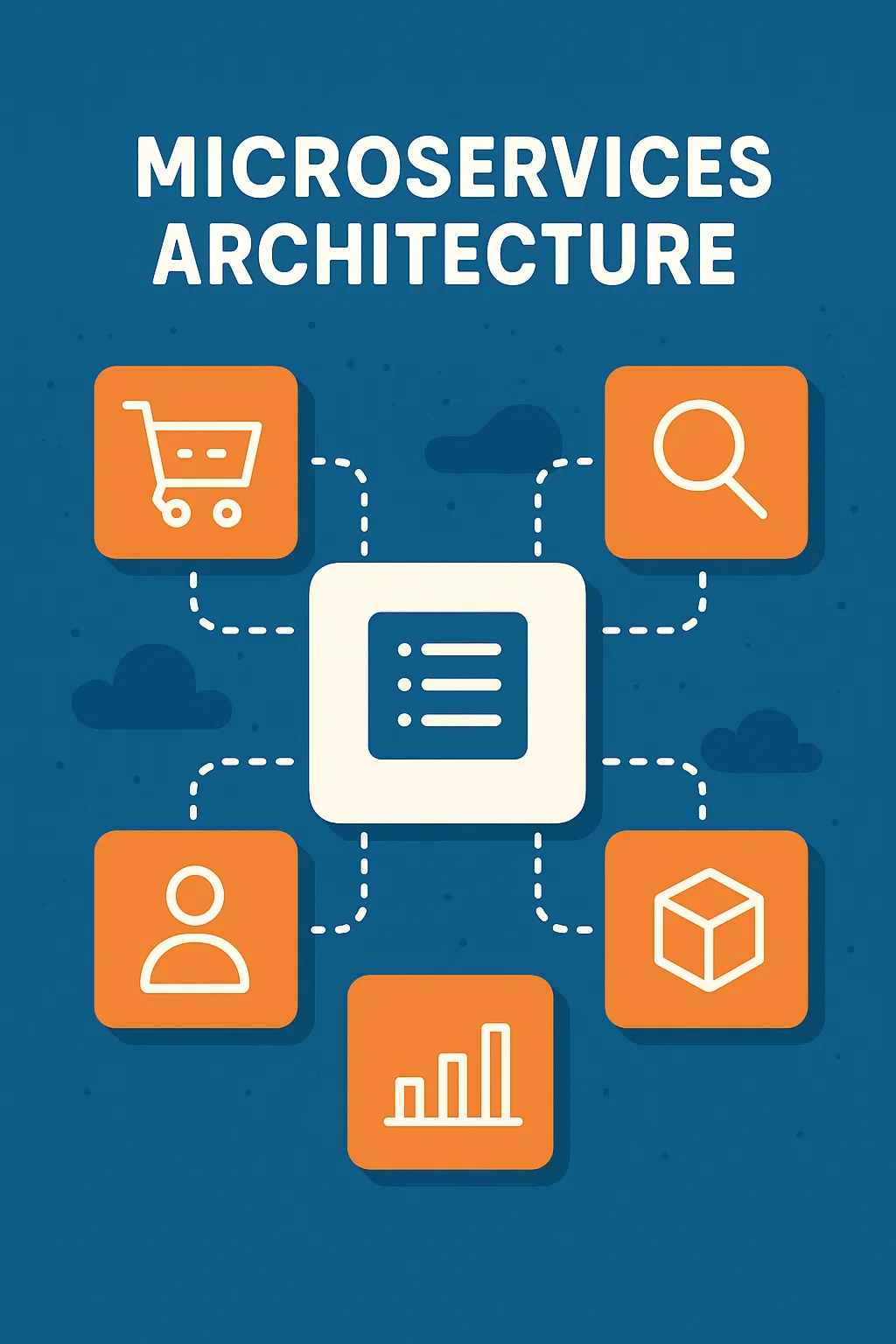
Microservices Architecture
Introduction Microservices architecture is a design pattern where an application is composed of small, independent services that communicate with each other. This approach allows teams to develop, deploy, and scale services independently, improving flexibility and maintainability. Key Characteristics of Microservices:- Challenges of Microservices :- 1. Complexity in Management 2. Network Latency 3. Data Consistency 4.…